

How Neat Works to Make Meetings More Accessible
Simon Anthony Walker, Feb 24, 2026
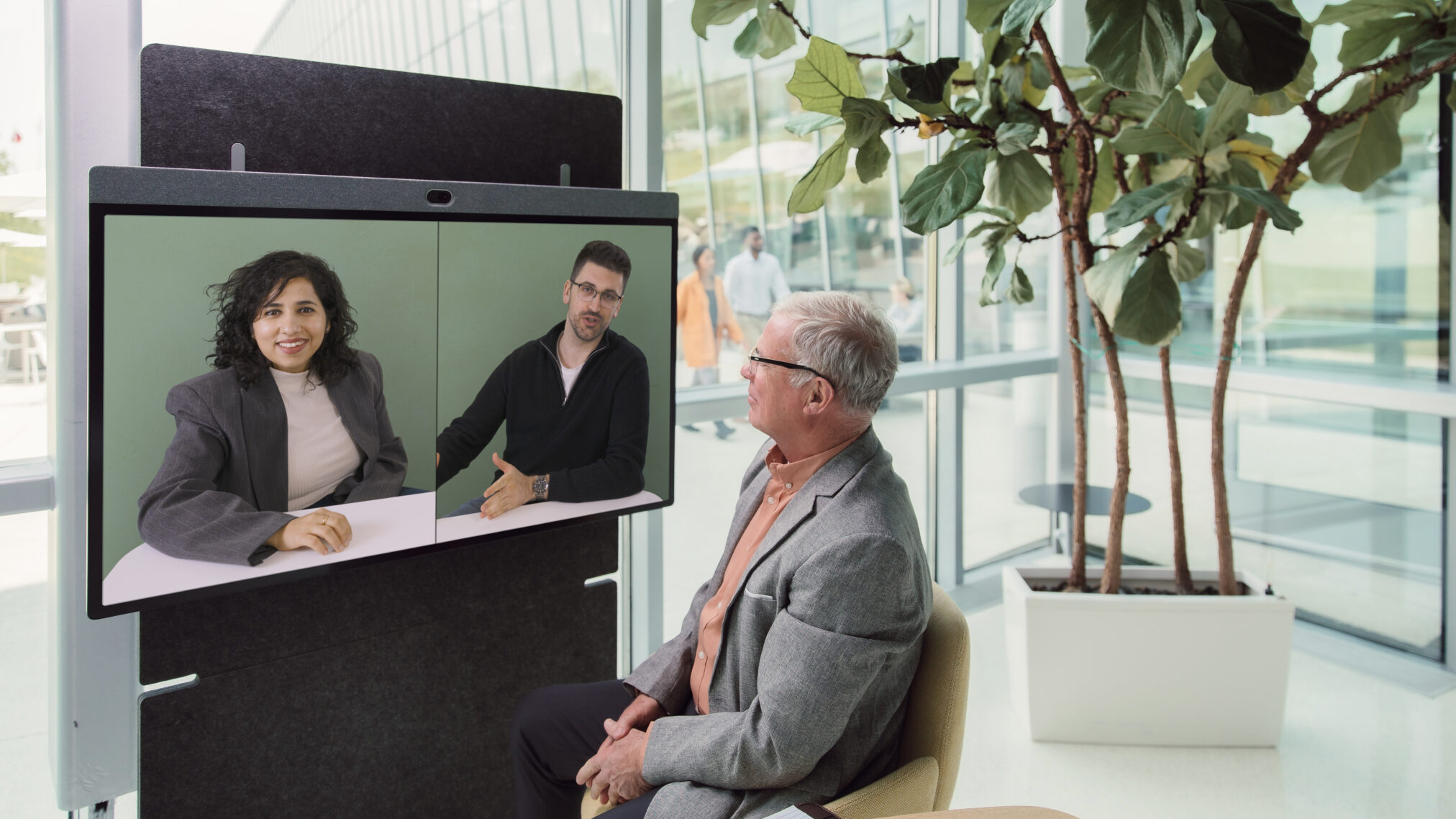
Built for simplicity and inclusion, Neat focuses on removing friction in video meetings—so more people can connect and participate with confidence.
Accessibility isn’t a feature. It’s an ongoing responsibility.
It’s about the confidence of walking into a meeting room and knowing the technology won’t get in the way. About being able to hear clearly, speak naturally, and take part without unnecessary friction—no matter where you are, how you join, or what support you might need.
At Neat, we don’t claim to have solved accessibility. But we do design our devices with a clear goal: to remove as many barriers as we can in video meetings—and to keep learning where we can do better.
Because when meetings remove friction instead of adding it, collaboration becomes more human—leading to happier teams, more productive conversations, and stronger business outcomes.
Designed for more people, not just some
Accessibility is often thought of as something for a small group of people. In reality, design choices that reduce friction tend to benefit many more of us.
It helps:
- People joining from home or on the move
- Colleagues in noisy or shared environments
- Non-native speakers
- People with hearing or vision differences
- Neurodivergent participants
- Anyone who’s ever felt frustrated by meeting room tech
In other words: accessibility is about removing barriers that get in the way of participation—for a wide range of people.
That’s why Neat devices are built around a simple idea: technology should fade into the background, so meetings feel natural and never daunting.
That way, people can focus on the meeting—not the tech.
Walk in. Join in. Feel included
One of the biggest barriers to accessibility in meeting rooms is complexity.
Too many cables, steps, and moments where someone says, “Can you see my screen?” or “Is the audio working?”
Neat devices are designed to remove those obstacles.
With simplified connections, clean and intuitive interfaces, and one-touch meeting controls, many people can walk into a room and get started without instructions or IT support. Devices like Neat Pad Pro—our meeting room controller and scheduling display—also support large, scalable text and built-in screen reader features.
That simplicity extends to sharing content too. With HDMI support on Neat devices, people can plug in and present quickly—without extra adapters, workarounds, or last-minute troubleshooting.
Clear audio helps more people hear and be heard
If people can’t hear clearly, they can’t fully take part. That’s why audio sits at the heart of accessible meeting experiences.
Neat devices use advanced microphone arrays and intelligent audio processing designed to reduce noise and improve voice clarity, even in challenging meeting environments.
That means:
- Quieter speakers are easier to hear
- Background noise is less likely to take over
- Conversations feel more natural and less tiring
Whether someone is speaking softly, has a different speech pattern, or is seated farther away, reducing noise and listening effort can help more voices be heard and understood.
A smarter way to capture sound
To support this, Neat takes a different approach to audio. Neat Audio uses modern machine-learning techniques to continuously improve performance, rather than relying solely on traditional signal processing.
This approach helps suppress distracting noise, reduce echo and reverberation, and preserve the natural quality of speech—without clipping voices or losing words when multiple people speak at once.
The result is clearer conversations, less listening fatigue, and more confidence to join in—naturally and without extra effort.
Clear audio creates the foundation for participation—but inclusion doesn’t stop there.
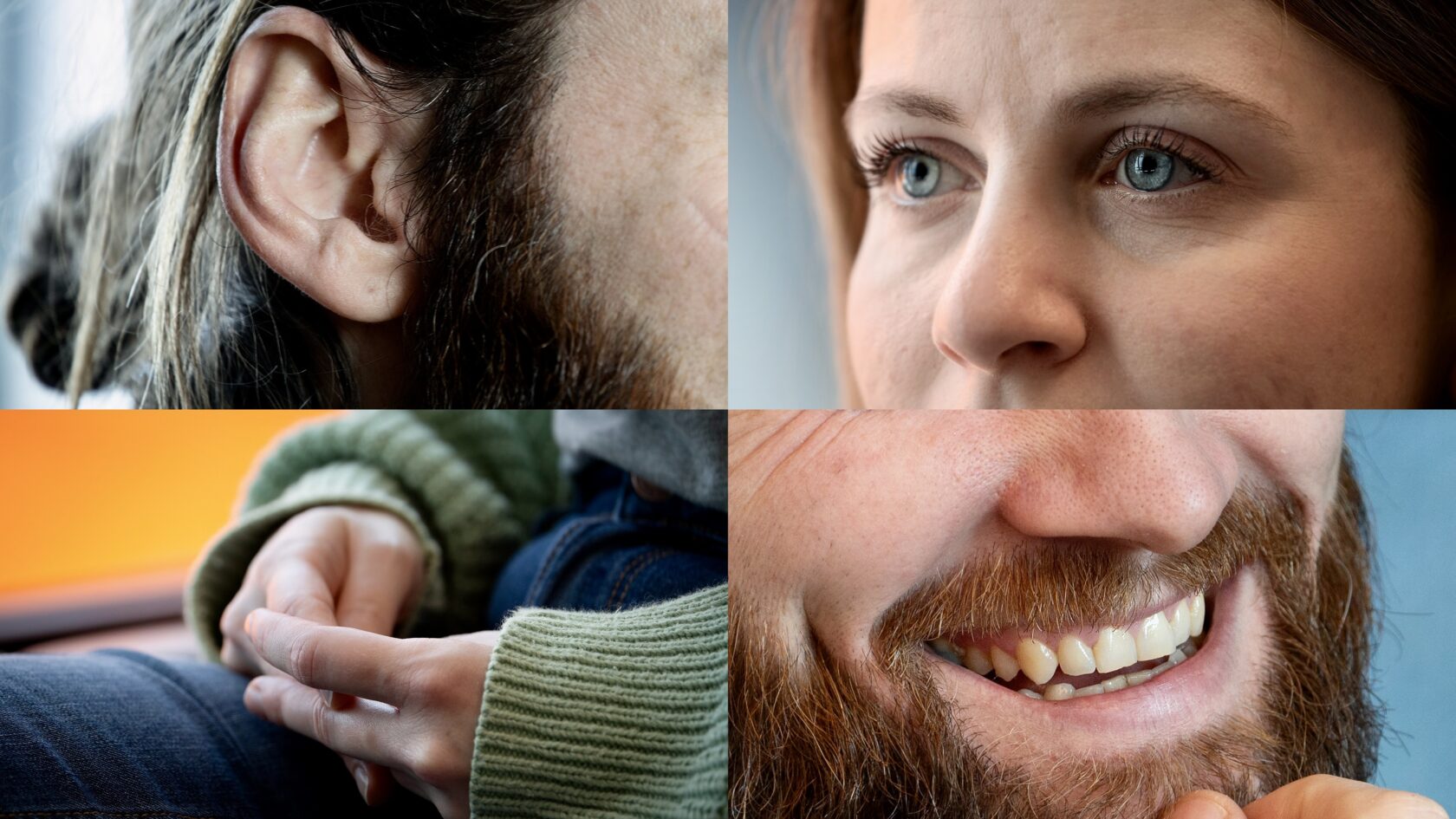
Smart video helps bring people into the conversation
Meetings shouldn’t require people to adjust themselves to the technology. Technology should adjust to people—and to the spaces they’re in.
Neat SymmetryⓇ intelligent camera framing supports more natural inclusion—without anyone needing to “perform for the camera.” This matters not only in small rooms but also in larger, more complex spaces.
To help meetings scale, Neat Center works as a companion device, paired with a primary front-of-room Neat device. With wide-angle views, automatic framing, and support for one or more Neat Center devices, Neat helps ensure:
- No one is unintentionally cut off
- People can move comfortably, seated or standing
- Groups feel more present and connected
This helps remote participants feel less like observers and more like part of the conversation.
Extending audio and video coverage across the room
In hybrid meetings, accessibility also relates to fairness. In larger rooms, people at the back can be harder to see or hear, and remote participants can easily feel disconnected. Neat Center helps extend audio and video coverage across the room, so participants are seen and heard more consistently—wherever they’re seated or standing.
AI-driven features like Dynamic Framing, Speaker Framing, and Neat Focus work together to adapt in real time, following the flow of conversation and keeping the right people in view without awkward camera switches.
The result is a more natural, balanced meeting experience that supports greater equity in hybrid collaboration—even in larger spaces.
When people can see and hear each other more clearly, meetings tend to feel more engaging—and more human.
Watch how Dual Neat Center Support and Speaker Framing help large rooms feel more inclusive in our demo.
Supporting different communication needs
Accessibility isn’t just about being heard or seen. It’s also about how people process, understand, and engage with information.
Neat devices work with major meeting platforms—including Google Meet, Microsoft Teams, Zoom, and third-party apps through Neat Open—to support features such as:
- Live captions
- Transcriptions
- Language tools
These features are essential for people who are deaf or hard of hearing. They can also support participants joining from a busy environment, processing information differently, or collaborating across languages.
On Neat Bar Pro, Neat Bar (Gen 2), and Neat Board 50, HDMI audio out supports assisted listening setups—making it easier to connect hearing-augmentation devices. On Neat Bar Pro, this is available via HDMI 2 or HDMI 3.
Clear communication is inclusive communication.
Preserving the naturalness of speech
That’s why Neat Audio is designed to do more than just sound good. It actively suppresses echo and reduces noise and reverberation, while preserving the naturalness of speech.
By prioritizing clear, natural audio, Neat doesn’t just make meetings easier for people to follow—it also helps AI-powered tools understand speech more accurately. Because artificial neural networks are trained on millions of hours of natural human speech, more natural and intelligible audio can lead to better captions, transcriptions, and language support.
Neat Audio continues to evolve to maximize clarity and understanding while minimizing listening effort—for both people and the AI systems supporting them. The result is conversations that are easier to follow, less tiring, and more inclusive for more people.
Learn more about how Neat Audio supports clearer communication in our blog on why we built Neat Audio for better transcription.
When meetings are designed to remove barriers, they don’t just work better—they tend to feel better too.
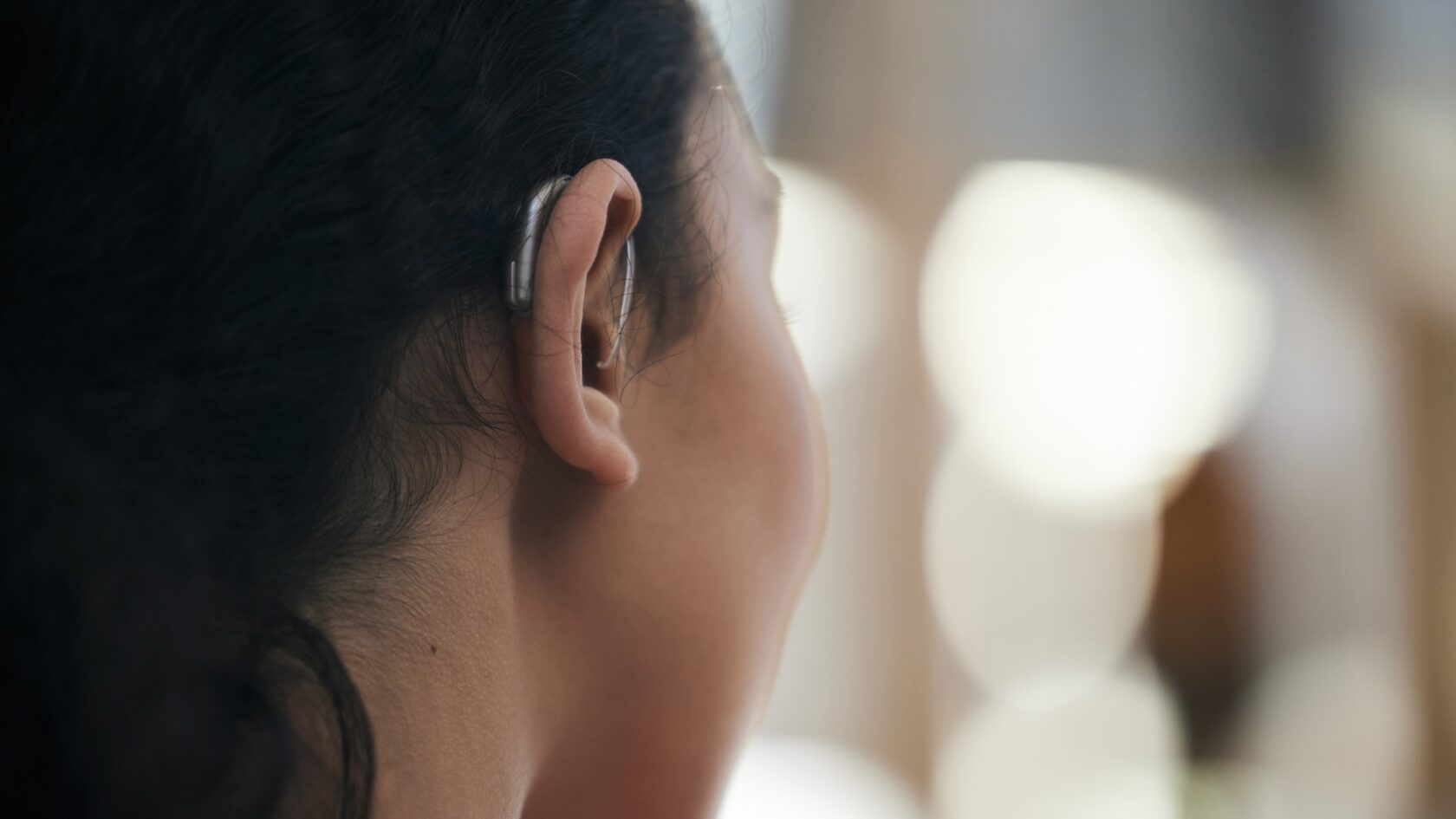
Calm technology helps reduce stress
Meetings can be tiring, especially when the technology adds pressure.
Neat is designed to reduce cognitive load through calm hardware, thoughtful interfaces, and reliable performance.
On devices like Neat Board 50 and Neat Board Pro, accessibility also comes down to physical comfort. With the optional adaptive stand, people can adjust the device’s height to suit how they work—whether seated, standing, or using a wheelchair.
This flexibility can help reduce strain, support different mobility needs, and make it easier for more people to engage comfortably and confidently in meetings.
Design choices like these can support people who experience:
- Tech anxiety
- Sensory overload
- Cognitive fatigue
- Neurodivergent ways of working
When meetings are simpler and less demanding, people can focus on what matters: the conversation.
Accessibility is not an add-on
At Neat, accessibility isn’t something we bolt on later.
It’s considered from the start—through design decisions focused on simplicity, clarity, and inclusion. And it’s something we continue to learn from, improve, and refine over time.
Because the best meeting technology doesn’t demand attention. It fades into the background and lets people connect—like an ambient soundtrack that supports the moment without distracting from it.
Accessibility is about more than compliance or features.
It’s about making sure more people can take part—whether they’re in the room, joining remotely, speaking quietly, reading captions, or navigating the day with fewer barriers.
Neat devices are built to make video meetings easier, more natural, and more human for more people—and that’s where accessibility makes a real difference.
Want to explore how Neat supports more inclusive video meetings? Join one of our live product tours—or book a one-on-one demo with a Neat specialist.