

Gaming’s Next Challenge Isn’t Talent. It’s Distance.
Christina Tan, Jul 21, 2026
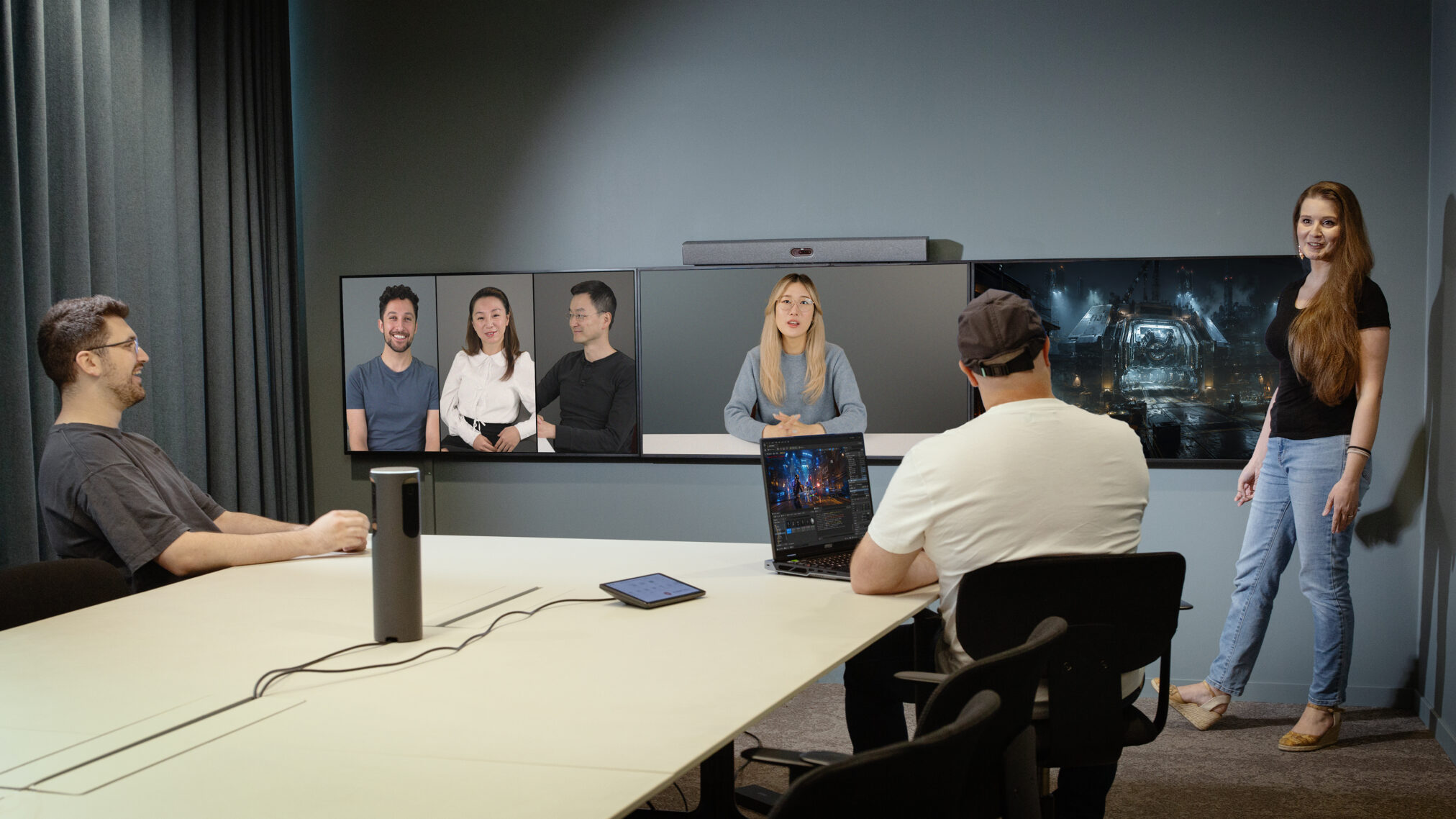
The future of gaming is being built across continents. Neat is helping distributed teams across APAC feel like they’re in the same room.
APAC isn’t following gaming’s future. It’s shaping it.
Behind the blockbuster launches and record-breaking revenues sits a reality that rarely makes headlines: the teams building today’s games are more distributed than ever.
The industry’s biggest names already reflect this shift. HoYoverse operates across Shanghai, Singapore, Tokyo, Seoul, Montreal, and Los Angeles. Tencent owns Riot Games in the United States, while Krafton runs studios across North America and continues to expand in India.
These aren’t regional companies solving regional problems. They’re global creative teams. A single review session might involve a producer in Singapore, an artist in Shanghai, an engineer in Montreal, and a publishing lead in Seoul.
Where momentum gets lost
Game development is unforgiving when communication breaks down. People need to see the same thing at the same time. Small misunderstandings can create delays that ripple through production schedules. When teams struggle to see content clearly, hear each other properly, or join meetings without friction, momentum slows.
Every delay compounds. Every misunderstanding travels downstream. Research published in Organization Science found that every additional hour of time-zone difference reduces synchronous communication between teams by an average of 11%. For game studios managing large productions across multiple regions, those communication gaps can become expensive very quickly. Even the best teams struggle when the tools get in the way.
Many organizations still rely on inconsistent meeting spaces or systems that require technical support just to start a call. When remote participants can’t see content clearly or spend the first ten minutes troubleshooting audio and video, the impact compounds across hundreds of meetings each week.
IDC’s 2025 Infobrief on APAC workplaces found that employees lose an average of 4.5 hours per week due to ineffective meeting room technology. At scale, that represents a significant productivity cost, particularly for organizations whose success depends on fast decision-making and creative collaboration.
What the best distributed teams get right
Consistency makes all the difference. Every meeting room works the same way. Calls start quickly. Audio is clear. Remote participants stay engaged.
In game development, inconsistency is expensive. Creative reviews often span multiple offices, partners, and time zones. The easier it is for everyone to participate naturally, the less energy is spent managing the meeting itself.
Ideas move quickly. Time zones don’t. Neat’s intelligent, simple video collaboration devices are designed to adapt to the way teams naturally work, helping remote participants stay visible, heard, and engaged without changing how they collaborate. Cameras adjust as conversations move around the room. Audio adapts as people speak. When technology fades into the background, teams can stay focused on reviews, feedback, and creative decisions instead of meeting logistics.
As studios expand into new markets and add new offices, maintaining a consistent collaboration experience becomes increasingly difficult. Adding more rooms is easy. Maintaining consistency across all of them is harder. Platforms such as Neat Pulse help IT teams remotely monitor, manage, and support devices across locations, making it easier to deliver a consistent experience without increasing operational overhead.
Scaling without complexity
IT leaders evaluating collaboration technology for distributed studios often focus on a few practical questions.
Does every room provide the same experience, regardless of office location? Can devices be monitored and managed remotely without requiring on-site support? Will the technology work with the platforms different teams and partners already use? And perhaps most importantly, can it scale as the organization grows?
As gaming companies expand across APAC, these questions become increasingly important. The meeting room is no longer just infrastructure. It’s part of the creative process.
Making distance irrelevant
Every major decision starts as a conversation. Story concepts, design reviews, publishing strategies, gameplay feedback, and production decisions all happen in meetings.
As distributed teams become the norm across the gaming industry, the ability to communicate clearly and collaborate naturally is becoming a competitive advantage in its own right.
Connecting people is easy. Creating the feeling that they’re working side by side is much harder. Every voice needs to be heard. Ideas need to be visible. Every decision needs to build momentum. As APAC’s gaming industry continues to grow, the studios that invest in better ways of working together will be better positioned to move at the speed the market demands.
Discover how Neat helps distributed teams collaborate as if they’re in the same room. Join a live product tour or book a one-on-one demo with a Neat specialist.